

Origin Story — Madagascar
The Red Island
Home to 80% of the world's finest vanilla. Where volcanic soil, tropical rain, and patient hands craft something irreplaceable.
Discover the OriginMadagascar Vanilla Collection
Every product below is sourced exclusively from the SAVA region. Grade A, hand-pollinated, and cured to our exacting standard.
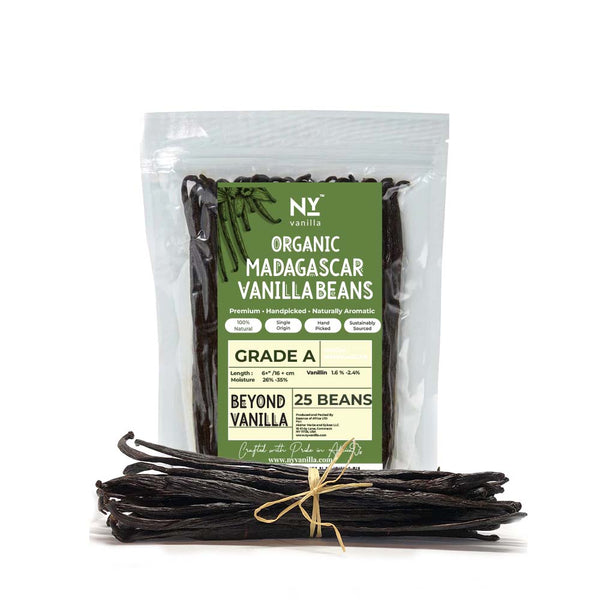
NY Vanilla
Madagascar Grade A Vanilla Beans – 10 Pack
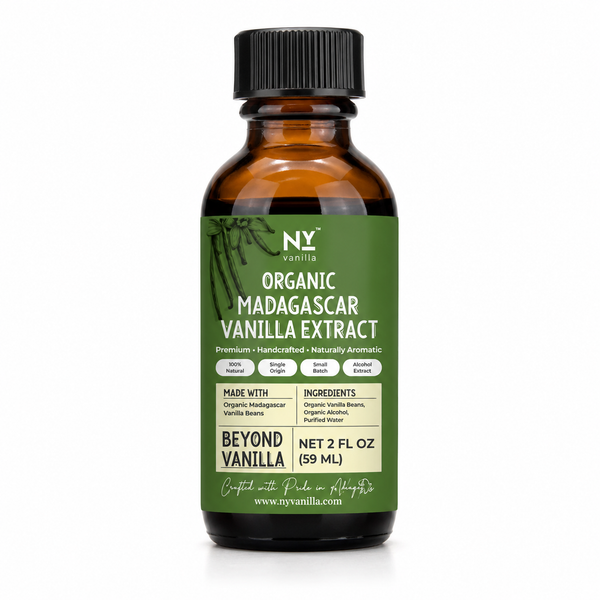
NY Vanilla
Madagascar Vanilla Extract – Single Fold 4 oz | NY Vanilla
NY Vanilla
Madagascar Grade A Vanilla Beans – 25 Pack
NY Vanilla
Madagascar Grade A Vanilla Beans – 10 Pack
Where Vanilla Was Born Again
Madagascar did not discover vanilla — but it perfected it. The Vanilla planifolia orchid arrived on this island off the eastern coast of Africa in the 19th century, brought by French colonists. What followed was an accidental masterpiece: the combination of the SAVA region's volcanic red soil, warm equatorial rain, and the unmatched skill of Malagasy farmers transformed vanilla into something the rest of the world could not replicate.
Today, Madagascar produces roughly 80% of the world's natural vanilla supply. The variety — often called Bourbon vanilla, named for the French island of Reunion where it first took root — is celebrated for its creamy, rich, intensely sweet profile with soft floral undertones and a long, warm finish that no artificial substitute has ever come close to.

Soil, Rain and Red Earth
The SAVA River Basin — named for its four towns: Sambava, Antalaha, Vohemar, Andapa — is a strip of northeastern Madagascar unlike anywhere on earth. Its conditions are not replicated. They are not exported. They simply exist, and vanilla happens because of them.
Nine Months in the Making
Each Madagascar vanilla bean passes through four deliberate stages. There are no shortcuts — only time, heat, and the hands of those who have done this for generations.
Hand Pollination
The Vanilla planifolia orchid flower opens for just one day. Each blossom must be pollinated by hand, individually, within hours of opening — using a thin stick to transfer pollen. No insects, no machinery. Only patience.
Killing and Sweating
Green beans are briefly scalded in hot water to halt growth, a stage called killing. They are then wrapped in blankets and left to sweat for up to 48 hours, beginning the enzymatic process that unlocks vanillin, the compound responsible for vanilla's signature aroma.
Sun Drying
Each morning, beans are spread under the equatorial sun. Each afternoon, they are gathered and wrapped again. This cycle repeats for weeks — slowly reducing moisture, concentrating flavour, and developing the deep brown colour of a mature Madagascar bean.
Conditioning and Grading
Cured beans rest in sealed bundles for several months, developing complexity and equilibrating moisture. Graders then sort every pod by length, moisture content, and appearance. Only Grade A beans — plump, oily, aromatic — leave our facility.
The Bourbon Profile
Madagascar vanilla is considered the world standard — the benchmark against which all other vanillas are measured. Its profile is layered, warm, and unmistakable.
Vanilla is the only orchid in the world cultivated for food. In Madagascar, it is cultivated with a reverence the plant has earned over centuries.
NY Vanilla — Origin Notes
Other Origins and Stories
Our vanilla story extends beyond Madagascar. Discover where else our beans are grown, and the people who grow them.
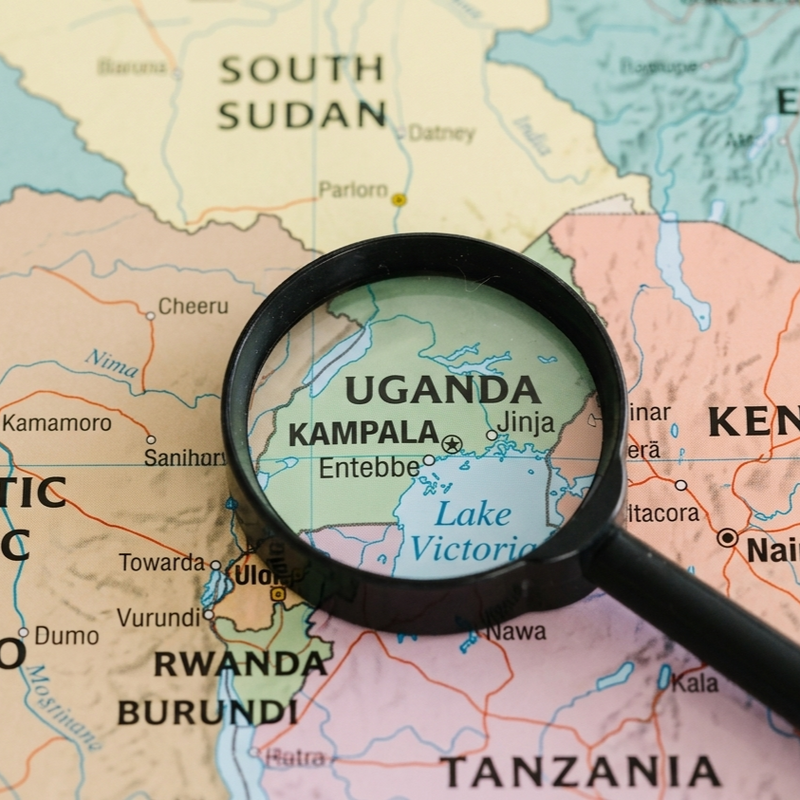
Origin — Uganda
Uganda
Grown in the volcanic highlands of western Uganda, our Ugandan vanilla offers a woody, smoky character with deep earthiness. Meet the farming families behind every pod.
Explore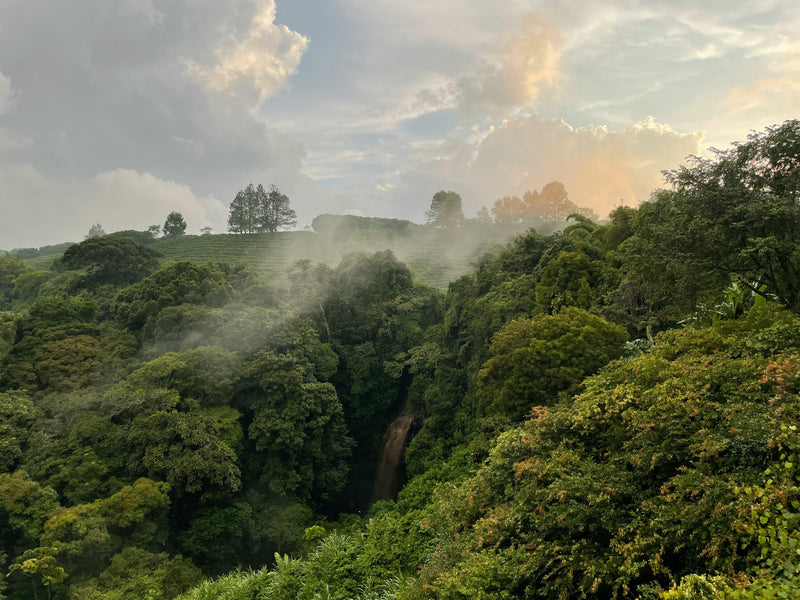
Conservation
Vanilla and the Rainforest
How a single vanilla vine holds the power to preserve one of Earth's most precious ecosystems. The story of conservation through cultivation.
Explore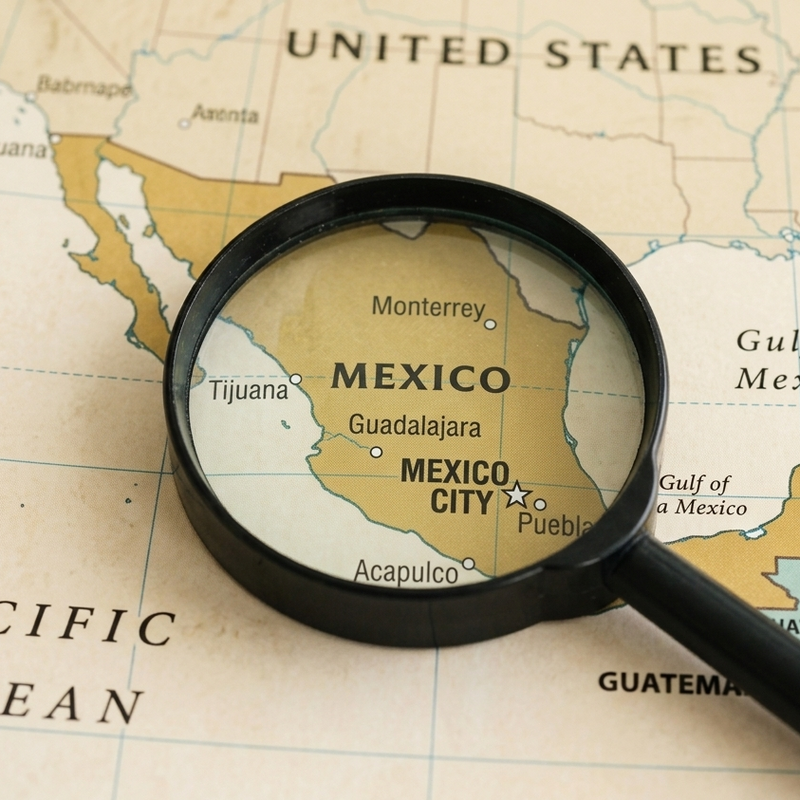
origin - Mexico
Mexico
The ancestral home of vanilla. Two thousand years of Totonac cultivation, slow shade-dried and spicy where others are sweet.
ExploreNY Vanilla
Taste Madagascar in Every Pod
Every bean we ship is sourced directly from the SAVA region, hand-pollinated, and cured to premium vanilla. No intermediaries. No compromise.