

Origin Story — French Polynesia
The Orchid of the Pacific
A different species entirely. Softer, more floral, and rarer than any vanilla you have tasted. Tahitian vanilla is not a substitute — it is a revelation.
Discover the OriginTahitian Vanilla Collection
Every product below is sourced from growers on Raiatea and neighbouring islands of French Polynesia. Shade-cured, rare, and unlike anything else we carry.
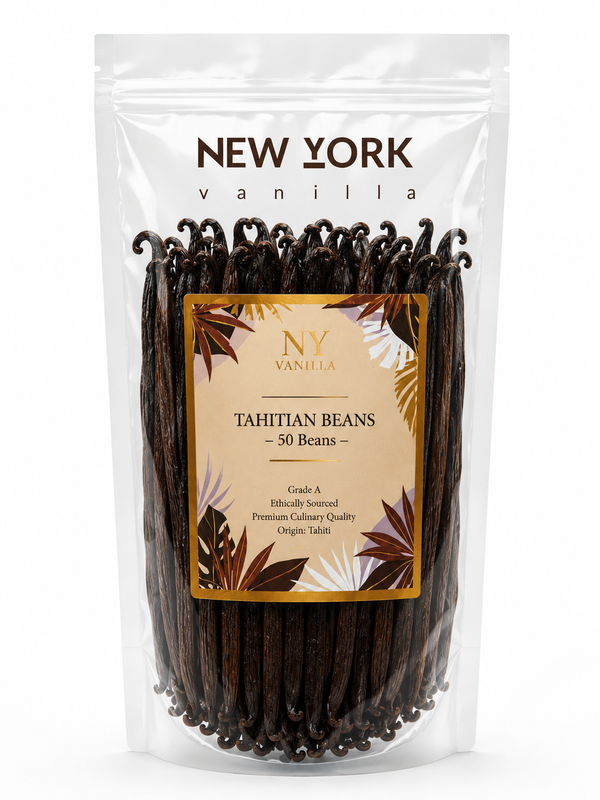
NY Vanilla
Tahitian Vanilla Beans – 50 Whole Pods | NY Vanilla
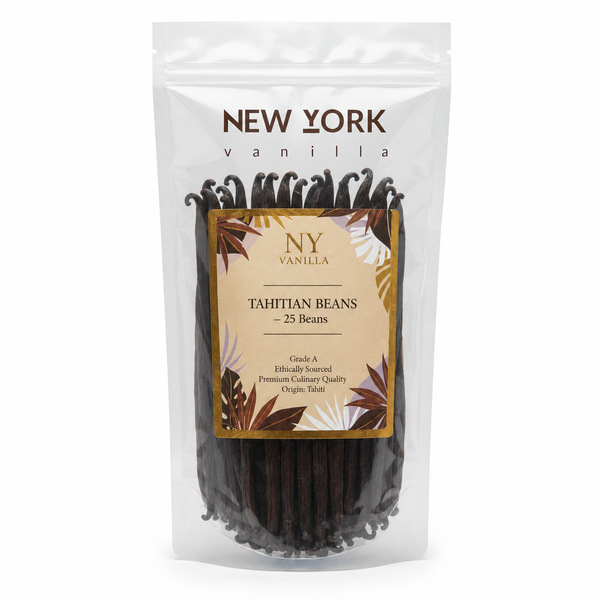
NY Vanilla
Tahitian Vanilla Beans | Premium Vanilla Pods for Baking (25 Beans)
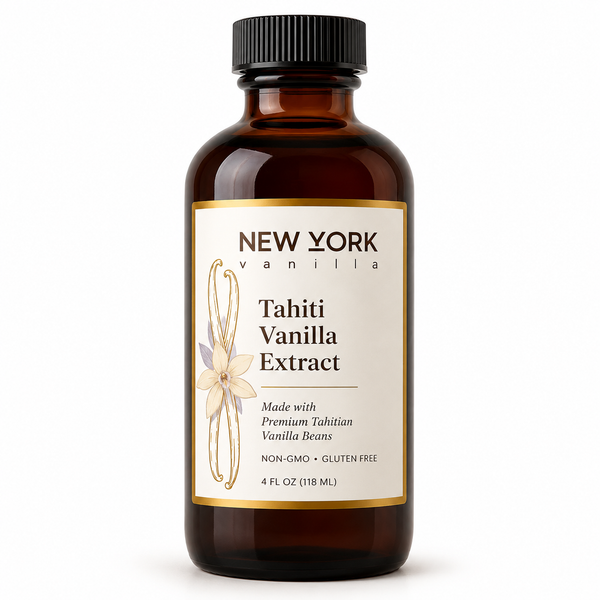
NY Vanilla
Tahitian Vanilla Extract – Single & Double Fold | 4 oz & 8 oz
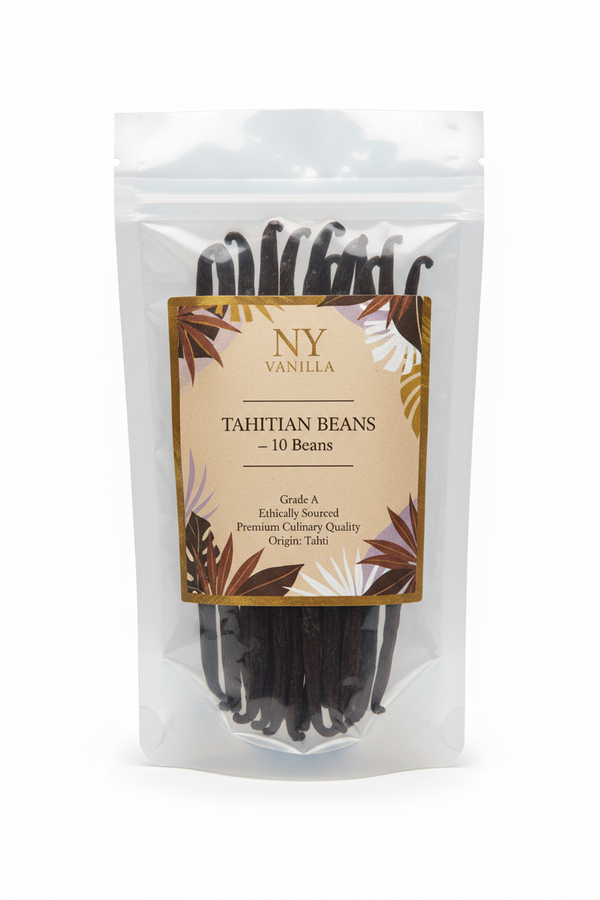
NY Vanilla
Tahitian Vanilla Beans | Premium Vanilla Pods for Baking (10 Beans)
Born on a Different Island
Vanilla tahitensis is not vanilla planifolia. This distinction matters enormously. While Madagascar, Uganda, and Mexico all grow the same species — the one the Totonac of Veracruz first cultivated two thousand years ago — Tahitian vanilla is a different orchid entirely. It carries a compound called heliotropin in concentrations far higher than its cousins, and it is heliotropin that gives Tahitian vanilla its signature: floral, cherry-like, anise-tinged, almost perfumed. Lower in vanillin, higher in nuance.
Raiatea, the sacred island of French Polynesia believed by Polynesian peoples to be the birthplace of all Pacific life, is where Tahitian vanilla cultivation is centred. The island's volcanic soil, salt-laden trade winds, and exceptional light create conditions that amplify the orchid's floral chemistry in a way no other place has replicated. Each pod is rare. Each harvest is small. And each one is prized by the finest pastry kitchens on earth for exactly the reason it commands a premium: you cannot fake this flavour with extract. It has to be grown here.

French Polynesia
The volcanic islands of French Polynesia sit in the heart of the South Pacific, encircled by coral lagoons and bathed in trade winds carrying salt and moisture from thousands of miles of open ocean. This marine air, combined with the mineral-rich volcanic soil of Raiatea and Huahine, creates the specific terroir that drives heliotropin production — the compound responsible for Tahitian vanilla's unmistakable floral profile.
Handled with Exceptional Care
Tahitian vanilla demands a gentler curing process than its planifolia cousins — aggressive heat destroys the delicate aromatic compounds that make it extraordinary. Every step is calibrated to preserve its floral signature.
Hand Pollination
Like all vanilla orchids, tahitensis flowers open for a single morning and must be pollinated by hand. In French Polynesia, farmers work at dawn, moving methodically through rows of climbing vines with a thin wooden stylus. The window is narrow. There are no second chances. It is this brevity of opportunity that makes every successful bean a small triumph.
Early Harvest
Unlike planifolia, Tahitian vanilla is harvested before the pod fully ripens — while the bean is still waxy and plump. This earlier harvest is deliberate: it captures peak heliotropin content, the compound responsible for the floral, cherry-anise notes unique to this species.
Gentle Killing
Rather than hot water scalding or intense sun blanching, Tahitian processors use a room-temperature method or a brief, low-heat treatment to halt bean development. High heat would destroy the delicate aromatics. The killing step here is the most gentle of any origin, allowing the enzymatic process to begin slowly and preserving the floral register that defines the species.
Long Shade Drying
Tahitian beans are never sun-dried. They rest in the shade over weeks and sometimes months — wrapped and aired in slow cycles that gradually reduce moisture while locking in volatile aromatics. The result is a plump, oily, intensely perfumed pod with a moisture content higher than most vanilla, and an aroma that can fill a room from a single bean.
The Tahitian Character
Tahitian vanilla does not taste like vanilla extract. It tastes like something the word barely contains — floral, fruity, anise-touched, with a finish that lingers long after the spoon leaves your lips. Prized by leading pastry chefs precisely because no synthetic flavour can replicate it.
The Pastry Chef's Choice
Tahitian vanilla is specified by name in Michelin-starred dessert menus for a reason — its floral, cherry-anise profile cannot be achieved with Madagascar or any synthetic flavour. When chefs want vanilla to be the flavour, not merely a background note, they choose Tahitian. We supply it at the same grade, uncut, direct from island growers.
Tahitian vanilla does not taste like vanilla. It tastes like something the word barely contains. We use it when we want guests to pause mid-bite and ask what that is.
NY Vanilla — Origin Notes
The Other Origins
Tahitian vanilla exists at the rare end of the spectrum. Discover the origins that make up the rest of our collection — bold, creamy, and ancient.
Origin
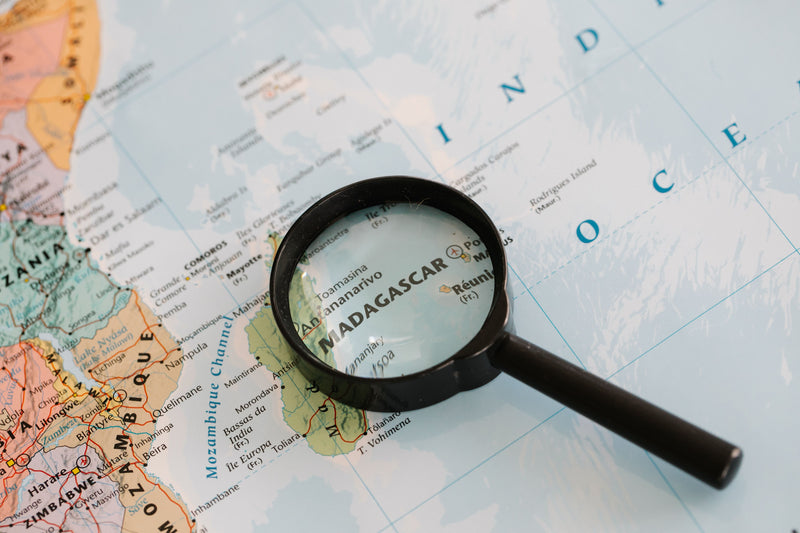
Madagascar
The world benchmark. SAVA region Bourbon vanilla with its iconic creamy, sweet, intensely aromatic profile.
Explore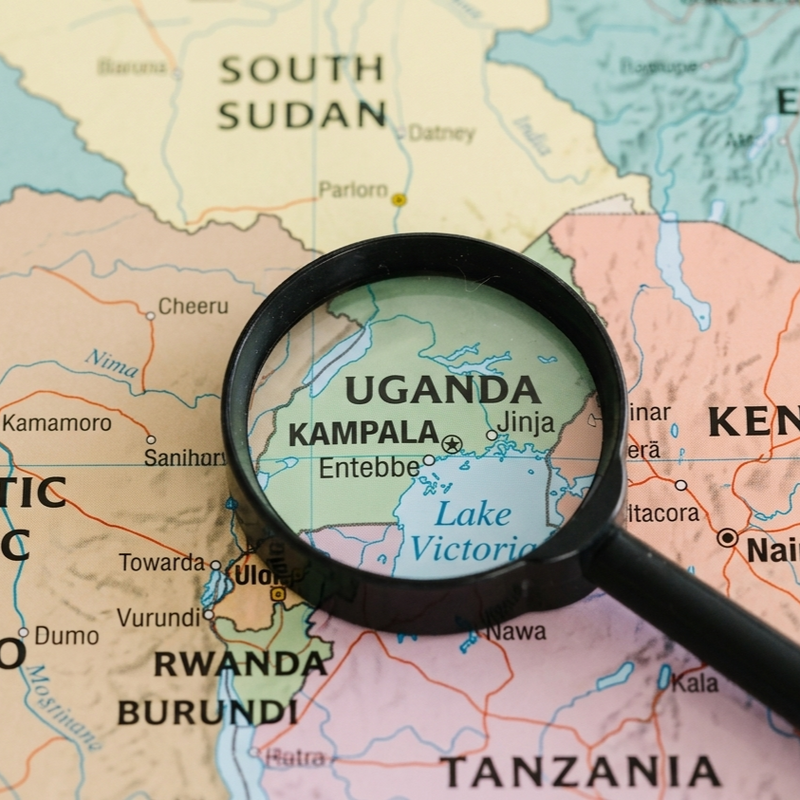
Origin
Uganda
Grown at elevation in the Rwenzori highlands. Bold, woody, and smoky — a counterpoint to everything delicate.
Explore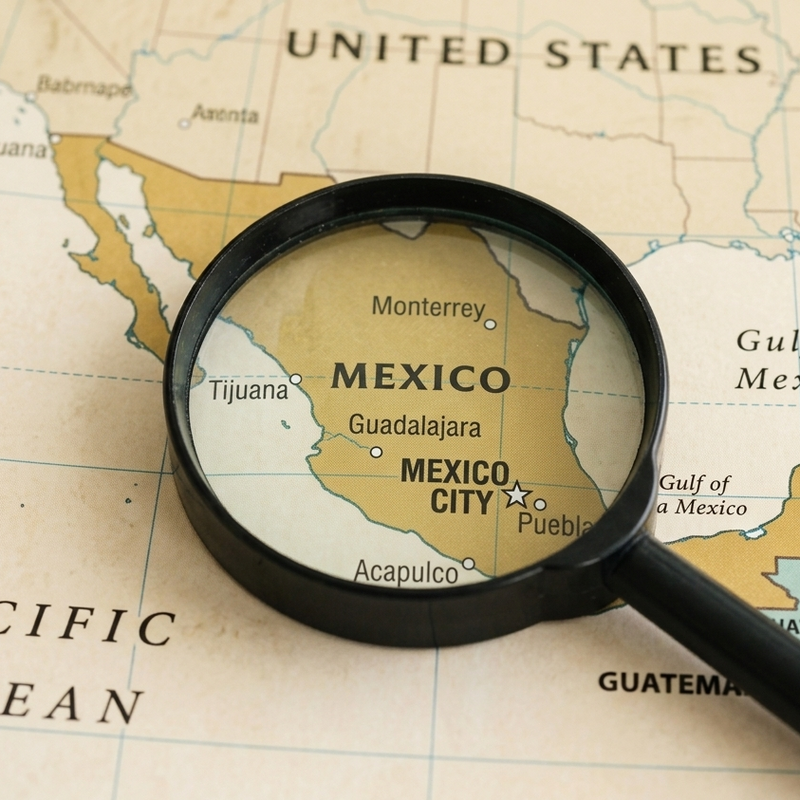
Origin
Mexico
The ancestral home of vanilla. Two thousand years of Totonac cultivation, slow shade-dried and spicy where others are sweet.
ExploreNY Vanilla
The Rare One
Tahitian vanilla cannot be replicated in a lab. It can only be grown on these islands, by these farmers, from this orchid. We have it. Limited stock, sourced by hand.